


LB 1032 Is a Game Changer for Native Families in Nebraska
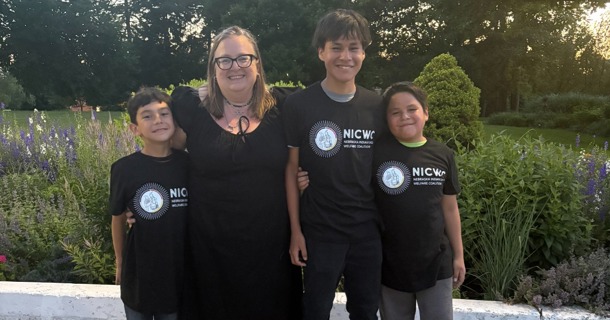
Nebraska tribes now have a powerful tool in the ongoing fight to protect and raise their youngest members without fear of reprisal.
With the passage of Nebraska Legislative Bill 1032, (LB 1032), enacted into law in April and effective on July 18, tribal customary adoptions (TCAs) under the Nebraska Indian Child Welfare Act are to be established according to the laws or customs of the child's individual tribe.
Under LB1032, juvenile courts also could provide concurrent jurisdiction to tribal courts to effectuate customary adoptions for Native American children in the foster care system in Nebraska.
The law came at the heels of a 2025 interim study proposed by Nebraska State Senator Wendy DeBoer, which found that 61 percent of Native American children were kept in foster care placements for 13 months or longer, showing the critical need for change.
Most importantly, LB 1032 allows Native American children in the foster care system to find permanent homes while keeping ties to their biological families, culture and tribes without requiring a complete termination of parental rights.
"Termination of parental rights is not only hard on the parents but also on the kids as it impacts their sense of self and connectedness," said Kitty Washburn, tribal liaison for the Nebraska Indian Child Welfare Coalition (NICWC), and licensed foster parent.
Identity is vital for children, she said, because it builds self-confidence, creates a sense of belonging, and shapes emotional well-being.
Understanding who they are, where they come from, and maintaining familial and cultural connections ultimately helps kids navigate the world with strength and security, Washburn said.
Washburn has seen first-hand the complexities of child welfare cases in Indian country. First when she became a foster parent in 2006, then as the supervisor of the Winnebago Tribe of Nebraska child welfare program overseeing Indian Child Welfare Act cases, and finally with NICWC.
One thing has remained steadfast over the decades, Washburn said: "There is nothing we can do to make up for the lack of connection with the biological parents. There is nothing that will fill that void. Biological connections are powerful."
The historic and systemic harms done to Native American children and families are well-documented, said Deborah Dancer, executive director of NICWC.
"From the boarding schools, where children were stripped of their identity and beaten for expressing their culture or speaking their language, to mainstream expectations of parenting, Native Americans have been fighting for the right to raise their children surrounded by their own families and culture for more than a century," she said.
The passage of LB 1032 came as a concerted effort by Nebraska Tribes, Nebraska Appleseed and NICWC with support from the Nebraska Department of Health and Human Services, Washburn said.
"Nebraska Appleseed worked on LB 1032 because we strongly believe in the values of the Nebraska Indian Child Welfare Act -- that it is in the best interests of Native children to stay connected to their community, tribe, and culture, in and out of foster care," said Allison Derr, a senior staff attorney in child welfare with Nebraska Appleseed and chair of the NICWC policy and legislative committee.
"LB 1032 further solidifies this in Nebraska, providing a culturally competent path out of foster care, allowing Native youth to be adopted without having to disconnect from their family, tribal community, or culture. TCAs recognize that for so many, family is not just one or two parents, but a community of people, helping children grow and thrive. A community that reflects the child's values, beliefs, and culture is so important to maintain their sense of self and heritage. TCAs facilitate and enforce that connection, helping it to continue long after foster care." Derr said.
The law also allows any TCA for Native American youths in the tribal foster care system established in tribal court to be eligible for a federal IV-E financial subsidy alleviating the state from that financial burden.
The federal IV-E financial subsidy could potentially save the state of Nebraska potentially hundreds of thousands of dollars per year, Derr said.
"At the end of the day, we all want to keep children safe; that is our first priority," said Washburn. "Even if they can't go home by providing these children with the opportunity to have safe contact with their parents and their extended family creates space for healing. And giving Native American children the opportunity to understand and utilize their culture provides that protective factor and fosters the resilience they need to become emotionally secure, healthy adults."